Stop Monitoring Your Portfolio So Closely. It's Making You a Worse Investor.
The more often you check, the more likely you are to react — and reactions cost returns. Here's how often dividend investors should actually review their portfolio, and what to look at when they do.
6/29/20266 min read
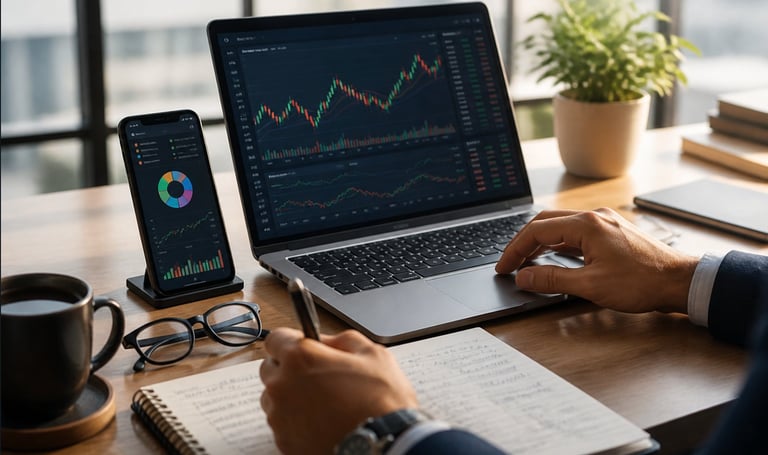
Financial advisors recommend checking your portfolio once every three months, or once a month if you make large contributions. This schedule gives you enough time to spot problems and make needed changes without obsessing over daily market swings. About 40% of people with retirement savings check their accounts at least once a month, while others review them quarterly or even less often.
The key is finding a check-in routine that matches your investment goals and keeps you from making rushed decisions based on short-term changes. Your investment strategy, how much time you have until retirement, and your comfort with risk all play a role in how often you should look at your portfolio.
Key Takeaways
Check your portfolio quarterly to stay informed without making emotional decisions based on short-term market changes
Your review schedule should match your personal goals, contribution amounts, and timeline for retirement
Regular reviews help you rebalance your investments and adjust for life changes without trading too frequently
Balancing Portfolio Reviews With Long-Term Goals


Most investors should check their portfolios every three months, though your personal situation may call for a different schedule. The key is finding a review frequency that keeps you informed without triggering stress-based decisions that harm your returns.
Typical Monitoring Frequencies for Different Investors
Your ideal check-in schedule depends on several factors related to your financial situation. If you're a high-income earner who maxes out retirement contributions, monthly reviews help you avoid overcontributing to tax-deferred accounts. These frequent check-ins also let you spot when employer matches might stop prematurely.
Most investors do well with quarterly reviews. This timeframe gives you enough information to catch problems early while protecting you from obsessive checking. About 40% of people with retirement savings actually check their accounts monthly, while 26% look quarterly and 16% check yearly or less.
Your risk tolerance also matters when deciding how often to look at your accounts. Conservative investors who panic during market dips should check less frequently to avoid emotional reactions. Aggressive investors comfortable with volatility can handle more frequent reviews without making fear-based changes.
Financial advisors stress that checking your portfolio doesn't mean you need to make changes. Your investment strategy should drive any moves you make, not short-term market swings.
Quarterly vs. Monthly Check-Ins
Quarterly check-ins work for most people who contribute up to their employer match. These reviews let you adjust contributions for tax purposes and reallocate funds when your goals shift. You can catch allocation drift before it becomes a problem while avoiding the stress of constant monitoring.
Monthly reviews suit supersavers who put away large amounts each month. This frequency helps you track whether you're staying within IRS contribution limits. You can also redirect surplus funds to taxable accounts or other investment vehicles when you hit retirement account caps.
The time-based approach of scheduled reviews beats trying to time the market. Set calendar reminders for your chosen frequency and stick to the schedule regardless of market conditions.
Considering Life Events and Milestones
Major life changes should trigger immediate portfolio reviews outside your normal schedule. Getting married, divorced, or having a child affects your financial needs and risk capacity. These events often require adjusting your asset allocation or contribution amounts.
Job changes deserve special attention since they may involve rolling over old 401(k) accounts. A new position with higher pay might let you increase contributions or max out retirement accounts for the first time.
Health issues or caring for aging parents can shift your timeline for needing funds. Buying a home or planning to pay for a child's college also warrant reviewing your investments sooner than scheduled.
Market Volatility and Emotional Investing


When markets swing up and down, your natural instinct might be to check your portfolio constantly. Research shows this behavior can lead to poor investment decisions driven by fear and anxiety rather than solid financial planning.
Why Too-Frequent Checking Can Hurt Performance
Checking your portfolio multiple times a day or even daily can seriously damage your returns. Studies found that investors who received the most frequent feedback on their portfolios took the least risk and earned the least money over time.
Normal market swings look scary when you watch them happen in real-time. A 2% drop might seem like a crisis when you see it today, but it's completely normal over a three-month period. Your brain treats these temporary losses as emergencies, pushing you to sell at the worst possible times.
Research shows that investors who check less often are more willing to take on appropriate levels of investment risk. This leads to better long-term growth because they stick with their strategy through short-term bumps. The constant emotional feedback loop of daily checking creates stress without providing any useful information for your investment plan.
Understanding Loss Aversion and Its Effects
Loss aversion means you feel the pain of losing money about twice as strongly as the pleasure of gaining it. This psychological trait makes you check your portfolio more often during market drops, which only increases your anxiety.
When markets decline, loss aversion can push you to make rash decisions like selling low or abandoning your investment strategy. You might see a $5,000 loss and panic, forgetting about the $10,000 you gained last year.
This effect becomes stronger the more frequently you look at your accounts. Each red number triggers your loss aversion response, even when those losses are temporary and expected. Your emotional brain takes over from your logical planning, leading to choices that hurt your future wealth.
Behavioral Finance Insights for Smarter Investing
Behavioral finance research reveals that your emotions and psychology drive many investment mistakes. Understanding these patterns helps you build better habits around checking your portfolio.
Market volatility is normal and often creates buying opportunities rather than reasons to panic. Your risk tolerance should match your time horizon, not your daily comfort level with market movements.
Creating rules for when you'll check your accounts removes emotion from the process. Set specific dates once per quarter or month based on your contribution pattern. Use this time to verify your asset allocation matches your goals, not to react to recent price changes.
Working with a financial advisor or writing down your investment plan helps you stick to your strategy when emotions run high. These tools remind you why you chose your current approach and what truly matters for your long-term success.
Tools, Technology, and Professional Guidance
Modern technology makes it easier to track your investments without constantly checking your account manually. Financial advisors can also add significant value by helping you stay on course with your goals.
Role of Robo-Advisors and Automated Notifications
Robo-advisors handle the heavy lifting of portfolio management for you. These digital platforms automatically rebalance your investments when they drift from your target allocation. You don't need to remember to check every quarter.
Most robo-advisors send you notifications when something important happens. You'll get alerts about major market changes or when your portfolio needs attention. This takes the guesswork out of knowing when to look at your investments.
The automation means you can set your investment strategy once and let the technology maintain it. You still receive regular reports, usually monthly or quarterly. These updates keep you informed without requiring constant monitoring on your part.
Platforms Like SoFi Invest and Portfolio Monitoring
SoFi Invest and similar platforms combine technology with access to human advisors. You get automated portfolio tracking plus the option to speak with financial professionals when needed. This hybrid approach works well for many investors.
These platforms typically offer dashboards that show your portfolio performance at a glance. You can see your asset allocation, gains and losses, and how you're tracking toward your goals. The interface makes quarterly reviews quick and straightforward.
Many platforms also include educational resources to help you understand your investments better. You'll find articles, videos, and tools that explain market trends without overwhelming you with jargon.
Conclusion
Checking your portfolio once every three months gives you the right balance between staying informed and avoiding stress. This timeframe lets you spot any problems with your investments while keeping you from making quick decisions based on short-term market changes.
If you're saving a lot of money each month, you might want to check once a month instead. This helps you make sure you're not putting too much into tax-deferred accounts or missing chances to use your money better.
Remember these key points:
Check quarterly if you're contributing up to your employer match
Check monthly if you're a big saver or supersaver
Look at your asset allocation and rebalance when needed
Don't make changes just because the market moved this week
Your investment plan works best when you give it time to grow. Checking too often can make you worry about normal ups and downs in the market. Not checking enough can leave your portfolio out of balance.
Take action now.
Mark your calendar for your next portfolio review. Set a reminder for three months from today. When that date comes, look at your investments with a clear head and think about your long-term goals.
The right checking schedule is the one you can stick to without getting anxious. Your future self will thank you for staying calm and patient with your investments.
Contact
kbgholston445@gmail.com
© 2025. All rights reserved.