Best Dividend Tracking Tools 2026: Free vs. Paid (10+ tools compared)
Which dividend tracker is worth paying for? I tested Dividend.com, Sharesight, and 5 others for 90 days. Here's the winner for tracking dividend income.
2/1/20268 min read

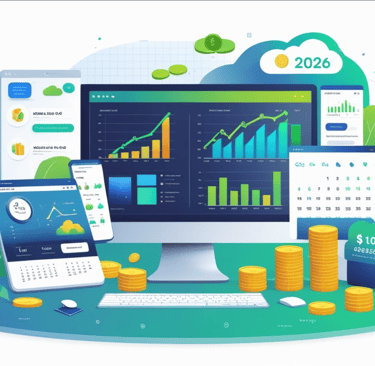

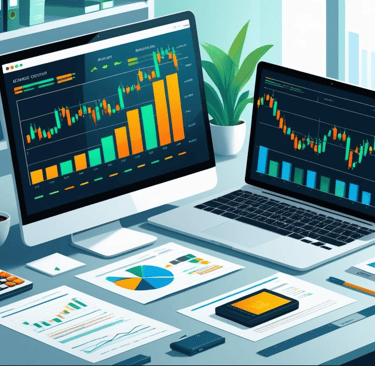
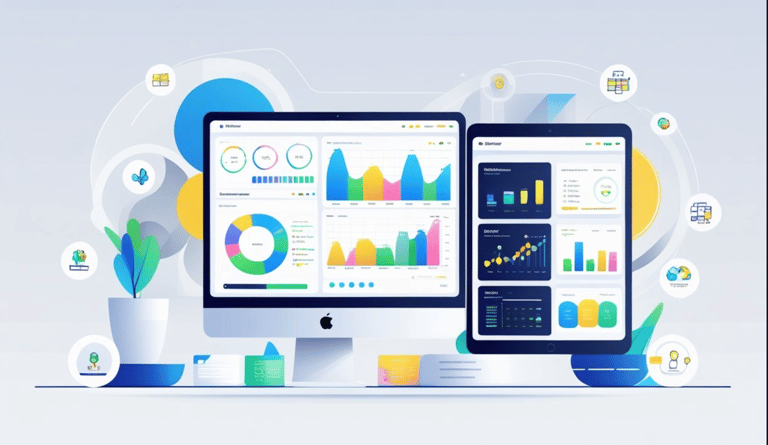
Dividend trackers automatically monitor your dividend payments, track upcoming distributions, and help you understand how your investments are performing over time. These tools range from simple free apps that show basic payout schedules to advanced platforms that offer detailed analytics, tax preparation support, and portfolio management features. Some popular options in 2026 include Sharesight, DivTracker, Portseido, and Dividend Watch.
The best tracker for you depends on your specific needs and budget. If you're managing just a few dividend stocks, a free tool might give you everything you need. But if you have multiple accounts or want deeper analysis of dividend safety and growth potential, a paid platform could be worth the investment.
Key Takeaways
Dividend trackers automatically monitor your dividend income and provide updates on payment dates and amounts
Both free and paid options exist, with paid platforms offering more advanced features like tax reporting and portfolio analysis
The right tracker depends on your portfolio size, the features you need, and whether you want basic tracking or detailed investment research tools
Top Dividend Tracking Tools in 2026
The dividend tracking landscape offers powerful platforms like Sharesight for comprehensive portfolio management, while free tools such as Dividend.com and Nasdaq.com provide excellent starting points for new investors. Mobile apps and international-friendly platforms have evolved to meet diverse investor needs.
Best for Serious Long-Term Dividend Investors
If you're building a long-term dividend portfolio and want the most complete tracking, reporting, and analytics, start here.
These platforms offer the best balance of portfolio management, dividend forecasting, tax reporting, and performance analysis—making them ideal for investors who want to manage their wealth like professionals rather than simply track payments.
🥇Sharesight — Best Overall Recommendation
stands out as the premium choice for serious dividend investors. You get automated dividend tracking, tax reporting for multiple countries, and detailed performance analytics. The platform syncs with over 200 brokerages worldwide and calculates your true returns including dividends.
Best for:
Investors with growing portfolios
Buy-and-hold dividend investors
Investors who want to automate everything
🥈 Simply Safe Dividends — Best for Dividend Safety
If your biggest concern is avoiding dividend cuts, Simply Safe Dividends is hard to beat. Focuses on dividend safety scores and research. You can analyze dividend sustainability and get alerts before potential cuts happen.
Best for:
Income-focused retirees
Conservative dividend investors
Investors prioritizing dividend safety over growth
🥉Track Your Dividends — Best for Dividend Income Planning
Offers dividend safety ratings and lets you monitor your entire portfolio's income stream. The platform includes calendar views for upcoming payments and detailed dividend history.
Best for:
Investors building monthly passive income
FIRE investors
Investors tracking income goals
⭐ Snowball Analytics — Best Value
Provides both free and premium tiers with portfolio tracking and dividend forecasting. You can visualize your dividend growth over time and plan future income.
Best for:
Beginners
Investors wanting premium features without premium prices
Anyone upgrading from spreadsheets
Best Free Dividend Tracking Tools: Dividend.com, Nasdaq.com-
💰 Best for Beginners or Investors Who Don't Want to Pay
If you're just starting dividend investing or simply don't want another monthly subscription, these free tools offer more than enough to begin tracking your portfolio.
Dividend.com gives you access to dividend calendars, ex-dividend dates, and company dividend histories without spending a dime. You can search through thousands of dividend-paying stocks and view payout ratios and yield information.
Best for:
New dividend investors
Researching dividend stocks
Checking payout history
Nasdaq.com offers free dividend tracking features built into its stock research tools. You get dividend calendars, historical payment data, and upcoming dividend announcements.
Best for:
Free stock research
Ex-dividend calendars
Fundamental analysis
Empower Personal Dashboard (formerly Personal Capital) tracks your dividends automatically when you link your brokerage accounts. The free version includes portfolio analysis and income tracking.
Best for:
Investors wanting automatic tracking
Retirement planning
Overall net worth tracking
Yahoo Finance remains a solid free option for basic dividend monitoring. You can create watchlists and view dividend yields alongside other stock data.
Best for:
Casual investors
Quick dividend checks
Watchlists
Best for International Investors
🌍 Best if You Invest Outside the United States
If your portfolio includes stocks from multiple countries or currencies, you'll need software that handles exchange rates, foreign dividends, and international tax reporting automatically.
Sharesight handles multi-currency portfolios and tax reporting for investors in over 20 countries. You get automatic currency conversion and region-specific capital gains calculations.
Kubera tracks investments across multiple countries and currencies in one dashboard. You can monitor dividends from global exchanges and see everything in your preferred currency.
GetQuin serves European investors with social features and dividend tracking. The platform supports multiple European brokers and exchanges.
Portseido caters to international portfolios with support for various global markets. You can track foreign dividends and manage cross-border investments efficiently.
All are Best for
US + International investors
European investors
Japanese investors
Multi-currency portfolios
Best Mobile Dividend Trackers
📱 Best for Investors Who Manage Everything From Their Phone
If you rarely open your laptop and prefer checking your portfolio throughout the day from your phone, these apps offer the best mobile experience.
Stock Events delivers a mobile-first experience with push notifications for dividend payments. You get calendar views and can track ex-dividend dates on the go.
Robinhood lets you track and invest in dividend stocks from your phone. The app shows dividend payment schedules and your total dividend income.
DivTracker focuses exclusively on dividend tracking for mobile users. You can manually input holdings or sync with supported brokerages to monitor your dividend income stream.
Snowball Analytics offers robust mobile apps for iOS and Android. You can check your portfolio's dividend performance anywhere and receive notifications about upcoming payments.
Best for
Daily portfolio monitoring
Push notifications
Dividend calendars
Mobile investing
Core Features and Capabilities to Look For
The right dividend tracker makes managing your investments easier by automating tasks like monitoring dividend income and alerting you to upcoming payouts. Look for tools that sync with your brokerage accounts and provide detailed analytics on your portfolio performance.
Dividend Income Tracking and Alerts
You need a tool that automatically tracks dividend income from all your holdings in one place. The best trackers record every payout and categorize them by stock, sector, or account type so you can see exactly where your money comes from.
Dividend alerts keep you informed about important dates and changes. You'll get notifications for upcoming dividend payments, ex-dividend dates, and any adjustments to payout amounts. Some tools even alert you when companies announce dividend increases or cuts.
Track your dividends throughout the year to monitor growth patterns. Many platforms show your income by month, quarter, or year to help you spot trends. This feature becomes really useful during tax season when you need accurate records of all your dividend income.
Dividend Calendars and Upcoming Payouts
A dividend calendar shows all your upcoming dividend payouts in one visual timeline. You can see which stocks pay out this week, next month, or any time period you choose. This helps you plan your cash flow and know when money will hit your account.
The calendar displays critical dates like declaration dates, ex-dividend dates, record dates, and payment dates. Understanding these dates matters because buying before the ex-dividend date determines whether you receive the next payout.
Some advanced trackers estimate your future dividend income based on current holdings and historical payment patterns. You can project how much passive income you'll earn over the next year, which helps with budgeting and financial planning.
Dividend Safety Scores and Risk Assessment
Your dividend income depends on companies actually paying out, which is where dividend safety scores become essential. These scores analyze payout ratios, debt levels, earnings trends, and cash flow to predict whether a company can maintain its dividends. A payout ratio above 80% often signals danger because the company pays out most of its earnings as dividends, leaving little room for error.
Tools like Simply Safe Dividends specialize in this analysis. They grade stocks on safety so you can avoid unpleasant surprises when dividends get cut. The Dividend Tracker also uses "Dividend Grades" to assess risk across your entire portfolio.
Look for platforms that combine multiple risk factors into one easy-to-read score. This saves you from manually checking financial statements for every stock you own.
Dividend Yield, Growth, and Historical Data
Dividend yield shows how much annual dividend income you earn per dollar invested. But yield alone doesn't tell the whole story. You need dividend growth rates to see if payments increase over time, plus dividend history to spot consistency.
The best tools display years of consecutive dividend payments, compound annual growth rates, and dividend stock profiles with P/E (price to earning) ratios. Historical dividend data reveals patterns like seasonal payment schedules or companies that regularly raise payouts
Growth-focused platforms help dividend growth investors find stocks that increase payments year after year. This matters because a 3% yield growing at 10% annually beats a 5% yield with no growth after just a few years.
Maximizing Value: Choosing the Right Dividend Tracker for Your Needs
The right dividend tracker depends on your investment goals, portfolio size, and desired features. Free tools work well for beginners tracking basic dividend payments, while paid platforms offer advanced portfolio analysis and asset allocation insights for serious dividend investors.
Free vs. Paid Tools: Features Comparison
Free dividend trackers give you basic investment tracking capabilities. You can monitor dividend payments, track payment dates, and see your passive income totals. These tools work great when you're starting out with dividend investing or managing a simple portfolio.
Paid platforms offer much more power for your money. You get detailed portfolio performance metrics, automatic data syncing across multiple accounts, and advanced portfolio analysis tools. Many paid trackers include tax reporting features that save you hours during tax season.
Key differences include:
Data accuracy: Paid tools update in real-time versus delayed data in free versions
Portfolio size limits: Free trackers often cap the number of holdings you can track
Export options: Premium services let you download your data in multiple formats
Customer support: Paid platforms provide direct help when you need it
International coverage: Premium tools better serve international investors with global stock data
Best Practices for Dividend Investors in 2026
Set up automatic tracking for all your dividend payments. Manual entry takes too much time and creates room for errors. Connect your brokerage accounts directly to your tracker when possible.
Review your portfolio performance monthly, not daily. Dividend investing rewards patience, and constant checking creates unnecessary stress. Focus on quarterly dividend trends and annual growth rates instead.
Use your tracker's alerts for upcoming ex-dividend dates and payment schedules. This helps you plan reinvestments and manage cash flow for your passive income needs. Track your dividend yield separately from total returns to understand your income generation.
Keep records of your dividend history for at least seven years. Your tracker should make this easy with export functions and historical data storage. These records prove invaluable for tax purposes and analyzing your long-term investment tracking success.
The fastest way to grow reliable dividend income isn’t finding the next “perfect” stock — it’s tracking what you already own.
The right dividend tracker gives you clarity, saves time, and helps you make smarter decisions with every dollar you invest. Whether you’re starting with your first dividend payment or managing a growing passive income portfolio, using a proper tracking tool can be the difference between guessing and compounding with confidence.
⭐ Which Dividend Tracker Should You Choose?
My Recommendations
If you're still unsure which platform is right for you, here's what I'd recommend based on your investing style.
👉 You're brand new to dividend investing
Start with Snowball Analytics or Yahoo Finance.
Both are beginner-friendly, easy to learn, and let you start tracking dividends without spending money.
👉 You want the best all-around dividend tracker
Go with Sharesight.
It offers the best combination of automation, tax reporting, portfolio tracking, and long-term performance analysis, making it my overall top recommendation.
👉 Protecting your dividend income is your priority
Choose Simply Safe Dividends.
Its Dividend Safety Scores help identify companies that may be at risk of cutting their dividends before they become obvious.
👉 You're focused on building passive income
Track Your Dividends makes it easy to monitor how much income your portfolio generates today—and how much it could generate in the future.
👉 You invest internationally
Sharesight remains the strongest option thanks to its multi-currency support, international broker integrations, and tax reporting.
Choose one dividend tracker from this article and set it up today.
Most tools take less than 10 minutes to connect — and once you do, you’ll instantly see where your income comes from, what’s growing, and what needs attention.
If you’re serious about building long-term passive income in 2026 and beyond, don’t wait another quarter to get organized.
Your future dividends depend on the decisions you make now.
Start tracking. Stay consistent. Let your income snowball.
Contact
kbgholston445@gmail.com
© 2025. All rights reserved.